Electronic circuit, componnent data, lesson and etc….: DIY
Showing posts with label DIY. Show all posts

How to Change Raspberry Pi WiFi Details Directly from the SD Card

Published: September 04, 2026

How to Change Raspberry Pi WiFi Details Directly from the SD Card

It is a scenario familiar to every embedded system engineer, IoT developer, and hobbyist: you deploy a headless Raspberry Pi to a remote corner of your home or workspace, only to lose access when your network configuration changes. Perhaps you updated your router, changed your WiFi SSID, typed a typo into your configuration file, or took your project to a new location. Without a dedicated monitor, keyboard, and mouse, you appear to be locked out.

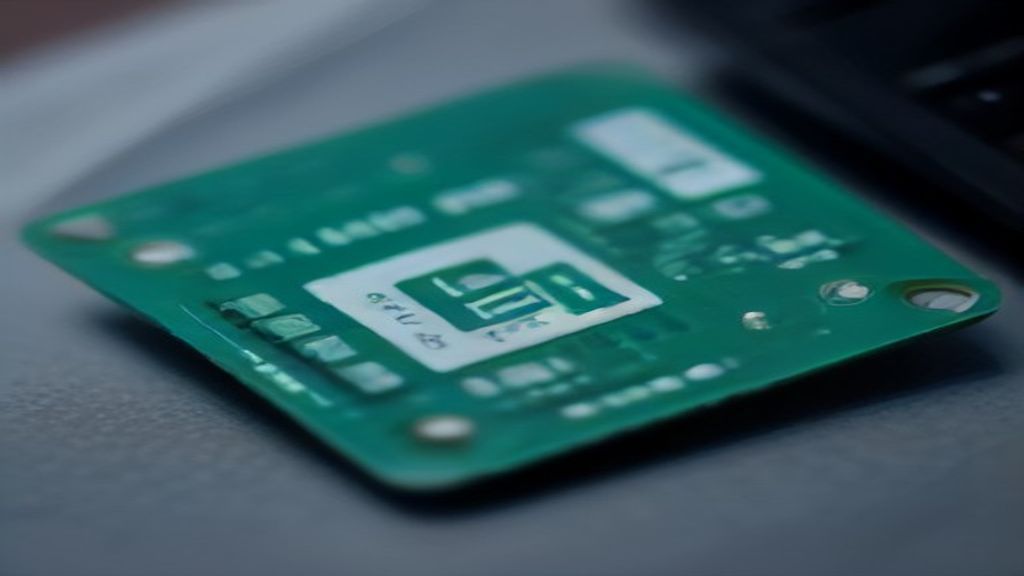
Fortunately, you do not have to format your microSD card and start your project from scratch. By accessing the filesystem on the SD card directly from a host computer, you can inject new WiFi credentials and restore your wireless connection. Depending on the version of Raspberry Pi OS you are running, the methods differ slightly, but they are all straightforward once you understand how the system boots and manages network profiles.

Harnessing RP2040 PIO to Build a Portable, High-Resolution Mechanical Television

Published: September 02, 2026


Harnessing RP2040 PIO to Build a Portable, High-Resolution Mechanical Television

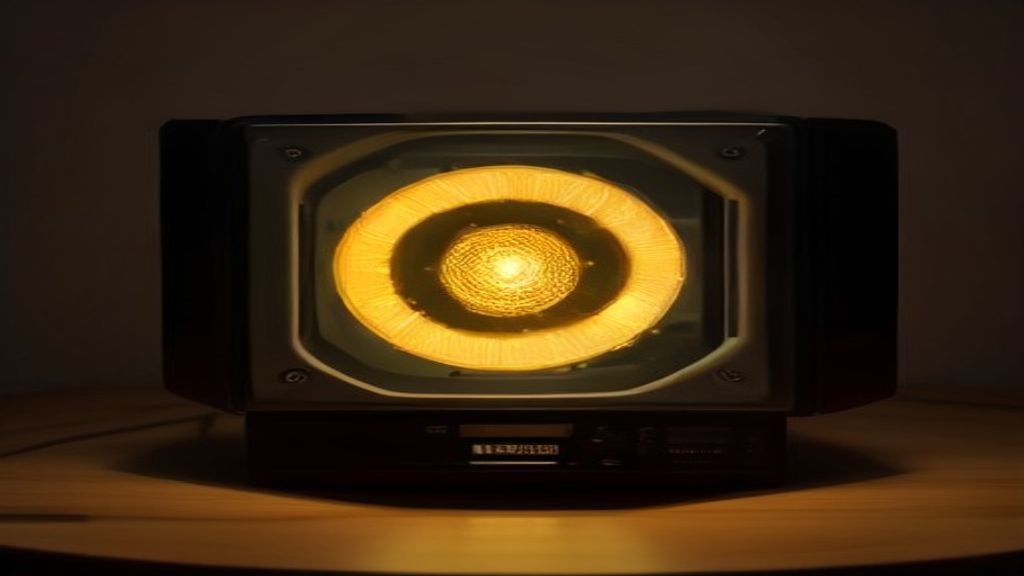
While modern display technology is dominated by ultra-thin OLED panels and high-refresh-rate LCDs, there is an enduring fascination with the electromechanical display systems of the early 20th century. What began as an exploration into unique digital clock designs has evolved into a fascinating engineering project: a pocket-sized, high-resolution mechanical television known as the Scanwheel. This unique DIY project achieves an astonishing horizontal resolution of 4,096 pixels across just 20 physical scan lines, demonstrating how modern microcontrollers can breathe new life into century-old concepts.

Traditional electromechanical televisions, popularized by pioneers like John Logie Baird in the 1920s, relied on a rotating Nipkow disk. This flat plate featured a series of small apertures arranged in a spiral pattern. As the disk spun, each hole swept across a light source, tracing a single horizontal scan line. By modulating the brightness of the light source in synchronization with the disk's rotation, a complete two-dimensional image could be formed due to the persistence of vision.

Empowering Mobility: How Teen Innovators Are Redefining Assistive Tech and Robotics

Published: August 23, 2026


Empowering Mobility: How Teen Innovators Are Redefining Assistive Tech and Robotics

According to data from the World Health Organization, more than one billion people—roughly 16 percent of our global population—navigate daily life with some form of disability. For many, physical challenges significantly restrict personal independence, mobility, and self-expression. However, a new generation of embedded developers, robotics engineers, and hardware hackers are rising to meet these challenges with empathy and accessible design.

At the Regeneron International Science and Engineering Fair (ISEF) in Phoenix, the IEEE Foundation celebrated this forward-thinking spirit by presenting the annual IEEE Presidents’ Scholarship awards. Under the guidance of IEEE President Mary Ellen Randall, three outstanding high school students were honored for their groundbreaking work in human-computer interfaces, mind-controlled prosthetics, and rugged terrain navigation. Let's take a deep look at the hardware, software, and mathematics powering these incredible innovations.

Related Posts Plugin for WordPress, Blogger...