Electronic circuit, componnent data, lesson and etc….: Physical AI
Showing posts with label Physical AI. Show all posts

28 Zero-Days in 48 Hours: Why Physical AI and Robotics Supply Chains Are Under Fire

Published: November 21, 2026
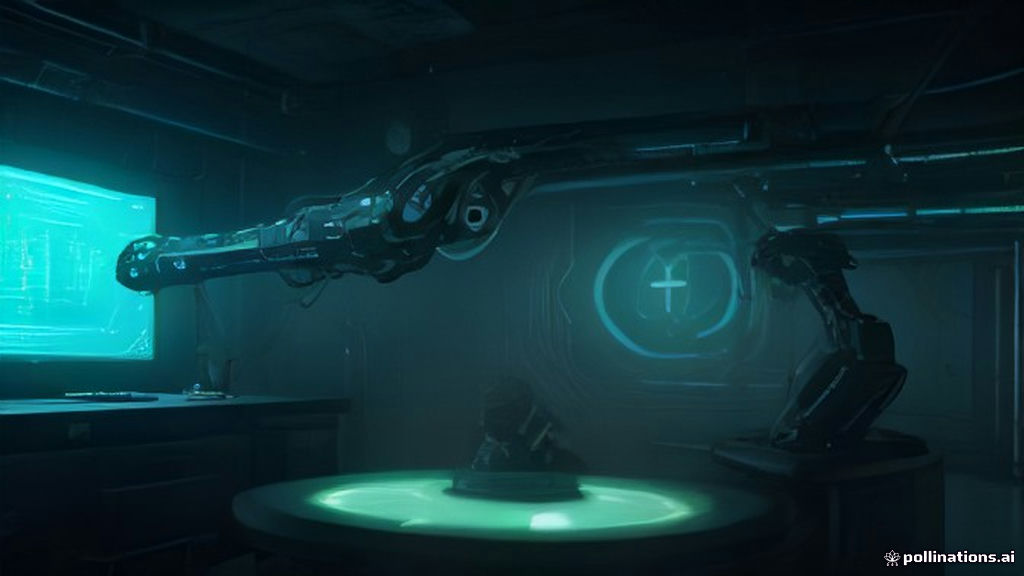

28 Zero-Days in 48 Hours: Why Physical AI and Robotics Supply Chains Are Under Fire

The intersection of artificial intelligence, physics simulation, and autonomous robotics is accelerating at a staggering pace. Modern robotics developers rely heavily on sophisticated toolchains, open-source framework dependencies, pre-trained neural networks, and digital twin environments to design, test, and deploy intelligent machines. However, a recent cybersecurity investigation has exposed a glaring vulnerability in this ecosystem: researchers using AI-assisted analysis tools identified 28 zero-day vulnerabilities across major physical AI software platforms in under 48 hours.

These security flaws—spanning tools developed and maintained by industry leaders like Google, NVIDIA, and Meta—highlight a profound shift in how software vulnerabilities are uncovered and exploited. For robotics engineers, embedded developers, and system integrators, these findings demonstrate that hardware safety is inextricably bound to supply-chain cybersecurity long before a robot ever executes its first real-world motion.

AI Acceleration Exposes Robotics Vulnerabilities: 28 Zero-Days Found in 48 Hours

Published: November 20, 2026


The integration of artificial intelligence into robotics—often referred to as Physical AI—has dramatically expanded the capabilities of autonomous platforms, ranging from industrial manipulators and warehouse rovers to unmanned aerial vehicles. However, the software stack supporting these advanced autonomous systems has become increasingly complex, incorporating third-party frameworks, pretrained machine learning models, cloud services, and open-source simulation engines. This expanded attack surface recently came into sharp focus when cybersecurity research firm VicOne disclosed 28 zero-day findings identified in less than 48 hours using AI-assisted analysis across tools maintained by industry leaders like Google, NVIDIA, and Meta.

These findings highlight a critical shift: as artificial intelligence accelerates software vulnerability research, zero-day flaws are discovered far faster than traditional patch deployment workflows can handle. For embedded systems engineers, robotics developers, and IoT architects, this reality requires a fundamental re-evaluation of how security and physical safety are managed across the entire system lifecycle.

28 Zero-Days in 48 Hours: The Growing Cybersecurity Challenge in Physical AI and Robotics

Published: November 19, 2026


28 Zero-Days in 48 Hours: The Growing Cybersecurity Challenge in Physical AI and Robotics

The rapid convergence of machine learning and physical automation—often referred to as Physical AI—has enabled unprecedented capabilities in autonomous mobile robots (AMRs), industrial arms, and smart mechatronic systems. However, as the software stacks supporting these systems expand in complexity, so does their attack surface. A stark illustration of this reality recently emerged when cybersecurity research team VicOne uncovered 28 zero-day vulnerabilities in under 48 hours across major software tools supporting the robotics ecosystem. These tools include open-source frameworks and proprietary platforms maintained by industry leaders like Google, NVIDIA, and Meta.

For embedded developers, robotics engineers, and IoT architects, this revelation is a critical wake-up call. Because these vulnerable software components span everything from deep learning training scripts to physics simulation engines and runtime control interfaces, an exploit at any point in the pipeline can compromise physical machine safety.

Physical AI Under Threat: What 28 Zero-Day Findings Reveal About Robotics Toolchain Vulnerabilities

Published: November 16, 2026


Physical AI Under Threat: What 28 Zero-Day Findings Reveal About Robotics Toolchain Vulnerabilities

As autonomous systems shift from controlled laboratory environments to real-world industrial and service applications, the software stacks powering them are growing exponentially complex. Modern physical artificial intelligence relies on deeply layered toolchains—combining neural network training libraries, physics-based simulators, middleware protocols, and real-time execution engines. However, a recent cybersecurity investigation by automated research firm VicOne has laid bare the inherent risks of this interconnected software ecosystem: researchers unearthed 28 zero-day vulnerabilities in under 48 hours across tools maintained by leading technology corporations like Google, Meta, and NVIDIA.

For robotics developers, embedded engineers, and system architects, this rapid discovery highlights a critical dynamic. The rapid adoption of machine learning tools into cybersecurity research allows defenders and attackers alike to audit complex codebases at unprecedented speeds. When zero-day vulnerabilities are surfaced faster than maintenance teams can issue patches, hardware safety relies entirely on how resiliently engineers design their underlying system architectures.

IEEE Megatrends 2030: How AI, Hardware, and Energy Networks Are Intertwining

Published: October 14, 2026


IEEE Megatrends 2030: How AI, Hardware, and Energy Networks Are Intertwining

The boundary separating digital intelligence from physical hardware is rapidly dissolving. According to the newly released 2030 Technology Megatrends Report from the IEEE, artificial intelligence has expanded far beyond standalone cloud algorithms and localized software applications. Today, AI serves as an foundational computing layer deeply integrated into energy distribution systems, physical infrastructure, advanced healthcare platforms, and automated machinery.

Compiled by 166 international experts from 38 countries across industry, government, and academia, the comprehensive study evaluates 30 critical technologies grouped into five main megatrends: Artificial Intelligence, Physical AI, Energy Systems, Healthcare Innovation, and Space Technology. For hardware designers, embedded engineers, and systems architects, the report provides a clear roadmap of how physical engineering and intelligent algorithms will converge over the next decade.

IEEE 2030 Megatrends: How Physical AI, Energy Grids, and Next-Gen Hardware Will Reshape Engineering

Published: October 10, 2026


IEEE 2030 Megatrends: How Physical AI, Energy Grids, and Next-Gen Hardware Will Reshape Engineering

Artificial intelligence is rapidly evolving beyond pure software algorithms running inside isolated cloud data centers. According to the newly released 2030 Technology Megatrends Report from the Institute of Electrical and Electronics Engineers (IEEE), the global technology ecosystem is experiencing a massive convergence. Advanced machine intelligence is now directly coupling with physical infrastructure, power grids, biological systems, and hardware design.

Compiled by 166 experts across 38 countries, the report evaluates 30 critical technologies organized into five core megatrends: Physical AI, Energy, Health, Space, and Artificial Intelligence as a foundational substrate. For embedded engineers, robotics developers, and electronics professionals, the findings underscore a pivotal shift: future engineering success will depend on building intelligent, real-time physical interfaces that operate efficiently within tough hardware and energy constraints.

The Convergence of Physical AI, Embedded Systems, and Energy: Insights from the IEEE 2030 Megatrends Report

Published: October 09, 2026


The Convergence of Physical AI, Embedded Systems, and Energy: Insights from the IEEE 2030 Megatrends Report

The landscape of modern engineering is undergoing a monumental shift. No longer confined to isolated software environments or simple, deterministic firmware routines, technology is rapidly merging with our physical infrastructure. This is the core conclusion of the newly released 2030 Technology Megatrends Report from the IEEE. Compiled by 166 global experts spanning 38 countries, the report outlines how advanced technologies are intersecting to reshape industries, societies, and daily human lives over the next decade.

For electronics engineers, embedded developers, robotics designers, and IoT innovators, the insights from this report serve as an essential roadmap. The message is clear: the future belongs to those who can successfully bridge the gap between digital intelligence and physical execution.

Related Posts Plugin for WordPress, Blogger...