Published: November 08, 2026
The global electronics industry is expanding at a rapid pace, driven by breakthroughs in embedded systems, artificial intelligence, edge computing, and custom silicon development. However, sustaining this momentum requires a continuous pipeline of skilled hardware engineers, embedded software developers, and microelectronics specialists. Addressing this long-term workforce challenge requires introducing fundamental engineering concepts long before students reach university lecture halls.
Now in its third year, the IEEE TryEngineering educator program is tackling this challenge at the grassroots level. By equipping primary and secondary school teachers with specialized professional development, hands-on instructional tools, and direct exposure to modern fabrication facilities, the program aims to demystify complex technical fields like artificial intelligence and semiconductor manufacturing for pre-university students.
Bridging the Gap Between Advanced Tech and Early STEM Education
For many K-12 educators, bringing topics like silicon wafer fabrication or integrated circuit design into a standard science curriculum can seem daunting. Advanced microelectronics often feel isolated inside cleanrooms and high-level research labs. The IEEE Educational Activities Board designed the TryEngineering workshops to remove these barriers, providing teachers with classroom-tested tools and practical frameworks based on the core engineering design process.
During the latest program cycle, more than 50 pre-university teachers participated in immersive workshops across the United States and internationally. These sessions centered heavily on artificial intelligence fundamentals, microelectronics hardware, and practical physics applications. Rather than focusing purely on theoretical concepts, the workshops give educators ready-to-use lesson plans, such as structural design challenges, fluid dynamics exercises, and semiconductor instructional modules like Making of a Microchip.
Inside the Cleanrooms: Connecting Educators to Real-World Fabs
A standout feature of the TryEngineering educator sessions is its reliance on a host network of major research universities and commercial silicon foundries. Giving teachers direct access to real-world manufacturing environments bridges the gap between high school science labs and modern hardware engineering careers.
The Florida Semiconductor Institute and SkyWater Technology
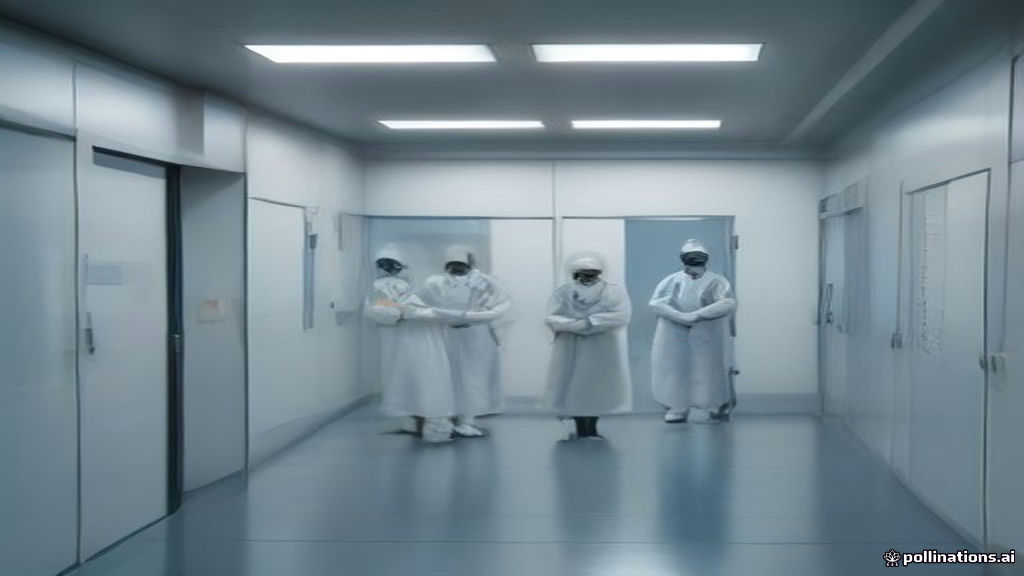
At the University of Florida's Semiconductor Institute (FSI), educators gathered at the main campus in Gainesville and the high-tech NeoCity manufacturing cluster near Orlando. Facilitated by workforce development specialists and engineering instructors, the two-day event featured a guided tour of the SkyWater Technology chip manufacturing facility.
Seeing active semiconductor fabrication lines gave participating teachers a clear view of how raw silicon turns into integrated circuits powering modern IoT hardware, robotics controllers, and computing platforms. The experience allowed teachers to contextualize how high school chemistry, physics, and computer science directly apply to commercial chip fabrication.
Arizona State University's NanoFab Facility
At Arizona State University in Tempe, local STEM leaders and university faculty hosted educators for hands-on sessions paired with a tour of the campus NanoFab facility. Teachers observed modern microelectronics research environments and learned strategies for bringing interactive design challenges back to their classrooms.
By exploring nanolithography, thin-film deposition, and cleanroom workflows, participants gained fresh perspectives on how early electronics lessons translate into career opportunities in semiconductor engineering and microsystems design.
Photonics and Biosensing at the University of Minnesota
The University of Minnesota session, hosted at the International Institute for Biosensing in Minneapolis, introduced educators to the university's Supercomputing Institute and Nano Center. Under the guidance of outreach directors and experienced STEM instructors, participants conducted photonics experiments using specialized university equipment.
Teachers learned about semiconductor device operations and explored how light-based components integrate into optical sensors and communication modules. The session demonstrated how optics and physical hardware converge in modern electronic design, inspiring participants to organize future student field trips to advanced campus research centers.
Expanding the Global Footprint
The reach of the IEEE TryEngineering program extends far beyond North America. Recognizing that the hardware engineering skill shortage is a global issue, IEEE has prioritized expanding these professional development opportunities to educators worldwide.
In Cairo, Egypt, an intensive workshop brought together educators from nine regional schools at the GEMS International School STEM facilities. Led by veteran IEEE volunteers, the session walked teachers through interactive physics and engineering challenges, including wind energy systems and structural design projects. Additional workshops are scheduled in Greece and Guatemala, highlighting a growing global network dedicated to early engineering education.
Why Early Semiconductor Literacy Matters for the Electronics Industry
For embedded system developers, robotics designers, and electronics professionals, initiatives like TryEngineering are essential investments in the ecosystem's future. The modern hardware stack—from low-power microcontrollers like the ESP32 and STM32 to complex custom ASICs powering artificial intelligence—relies on a deep understanding of physical fundamentals, software-hardware interaction, and manufacturing constraints.
By introducing K-12 students to the engineering design process, semiconductor concepts, and practical problem-solving early on, educators cultivate critical thinking skills long before students choose a college major. Demystifying how a microchip works transforms electronics from an abstract black box into an approachable, rewarding field of study.
Looking Ahead
Building on support from industry sponsors like Onsemi's Giving Now initiative and the ongoing leadership of the IEEE Educational Activities Board, the TryEngineering educator program continues to expand. By connecting classroom teachers with university researchers, industry experts, and commercial foundries, IEEE is building an enduring bridge between foundational science education and the future of hardware technology.
For engineers, makers, and educators looking to support or participate in these STEM initiatives, curriculum details, e-books, and instructional project guides remain accessible directly through the official IEEE TryEngineering platform.
About EDATA SL
EDATA SL shares practical electronics, embedded systems, Arduino, ESP32, Raspberry Pi, IoT, repair guides, DIY projects and technical news for engineers, students and makers.
Original news rewritten with AI for educational purposes.
No comments:
Post a Comment