Published: November 09, 2026
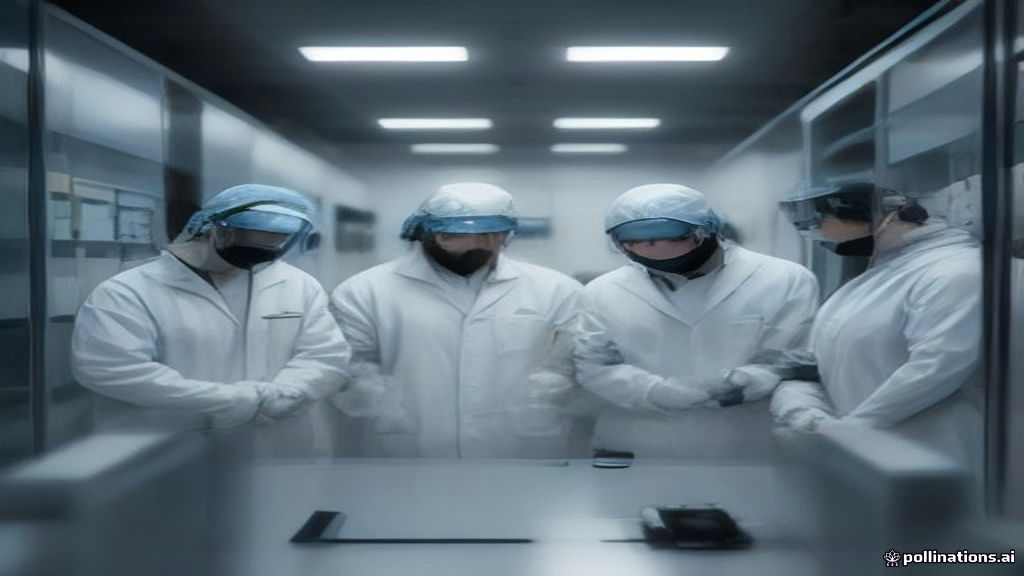
As the global electronics industry faces an unprecedented demand for skilled workforce talent across microelectronics, embedded systems, and artificial intelligence, building an early pipeline of future engineers has become a top priority. To address this challenge at its root, the IEEE Educational Activities Board continues to expand its flagship TryEngineering educator program. Now in its third year, the initiative equips pre-university teachers with specialized technical knowledge, classroom-tested curriculum modules, and direct exposure to modern semiconductor manufacturing environments.
By transforming middle and high school educators into STEM ambassadors, the program aims to bridge the disconnect between high school science coursework and real-world hardware engineering careers. Recent hands-on workshops hosted at major academic institutions in the United States and internationally focused heavily on semiconductor fabrication, cleanroom operations, artificial intelligence fundamentals, and structured engineering design processes.
Inside the Fabs: Bringing Microelectronics to High School Teachers
A core element of the TryEngineering educator sessions is its university host network, which gives teachers firsthand access to advanced hardware research facilities and industrial foundries. Rather than relying solely on theoretical instruction, the program places educators directly inside cleanrooms and advanced testing facilities.
At the University of Florida, teachers gathered at the Florida Semiconductor Institute (FSI) in Gainesville and its high-tech manufacturing facility in NeoCity, near Orlando. Coordinated by FSI workforce development specialists Roseanne Perez and Sophia Watson, the two-day session featured an inside look at commercial chip fabrication with a guided tour of the SkyWater Technology semiconductor facility. Engineering instructor Mary Acken demonstrated practical methods for translating silicon fabrication concepts into interactive classroom lessons, giving attending teachers an accessible framework for explaining microchip production to young students.
Simultaneously, Arizona State University hosted regional educators at its Tempe campus. Led by IEEE member Michael Kozicki, Stefan Myhajlenko, and former participant Janet Hartkopf, the session introduced teachers to the university's NanoFab cleanroom facility. Participants explored microelectronics research setups, discussed career pathways in hardware development, and learned how to incorporate practical chip design and lithography concepts into K-12 curricula.
Exploring Photonics, Supercomputing, and Biosensors
Beyond traditional silicon processing, the professional development sessions introduced teachers to emerging fields such as integrated photonics, advanced biosensing, and high-performance computing. At the University of Minnesota’s International Institute for Biosensing in Minneapolis, sixteen STEM educators explored multi-disciplinary lab spaces under the direction of IEEE member Patricia Khashayar.
Under the instruction of outreach coordinator Claire Dietz and St. Paul College educator Pam Schumacher, teachers performed optics and photonics experiments utilizing specialized equipment at the university's Nano Center. Nano Center Director Sarah Swisher, an IEEE senior member, delivered an overview of regional semiconductor manufacturing and emphasized growing career prospects for technical graduates. The immersive workshop inspired all sixteen participating educators to schedule student field trips to the facility for the upcoming school year.
Expanding the Global Engineering Network
While U.S. university campuses hosted several key workshops, TryEngineering continues to broaden its global reach. In Cairo, Egypt, sixteen educators representing nine academic institutions gathered at GEMS International School for an intensive program facilitated by IEEE Senior Member Stamatis Dragoumanos and IEEE member Marwa Soudi.
The international workshop focused on foundational engineering activities, including wind power conversion experiments and structural design challenges. These exercises demonstrated how basic physical principles connect directly to green technology and power electronics. With additional workshops slated for locations in Greece and Guatemala, IEEE aims to establish a global standard for early technical instruction.
Why Early Technical Exposure Matters to the Hardware Community
For embedded systems developers, robotics builders, and silicon engineers, the long-term benefit of pre-university STEM outreach is clear: tomorrow’s IC designers, firmware engineers, and system architects are sitting in today's high school classrooms. If students are never exposed to microelectronics or cleanroom engineering early in their academic lives, they are far less likely to pursue hardware engineering majors in college.
The TryEngineering program addresses this by arming educators with ready-to-use lesson plans—such as The Making of a Microchip and Train Your Tree—that translate complex engineering workflows into digestible classroom activities. Building on previous industry support from corporate partners like Onsemi, IEEE’s continued investment ensures that educators remain connected to the rapidly evolving electronics landscape, paving the way for the next generation of hardware innovators.
About EDATA SL
EDATA SL shares practical electronics, embedded systems, Arduino, ESP32, Raspberry Pi, IoT, repair guides, DIY projects and technical news for engineers, students and makers.
Original news rewritten with AI for educational purposes.
No comments:
Post a Comment