Electronic circuit, componnent data, lesson and etc….

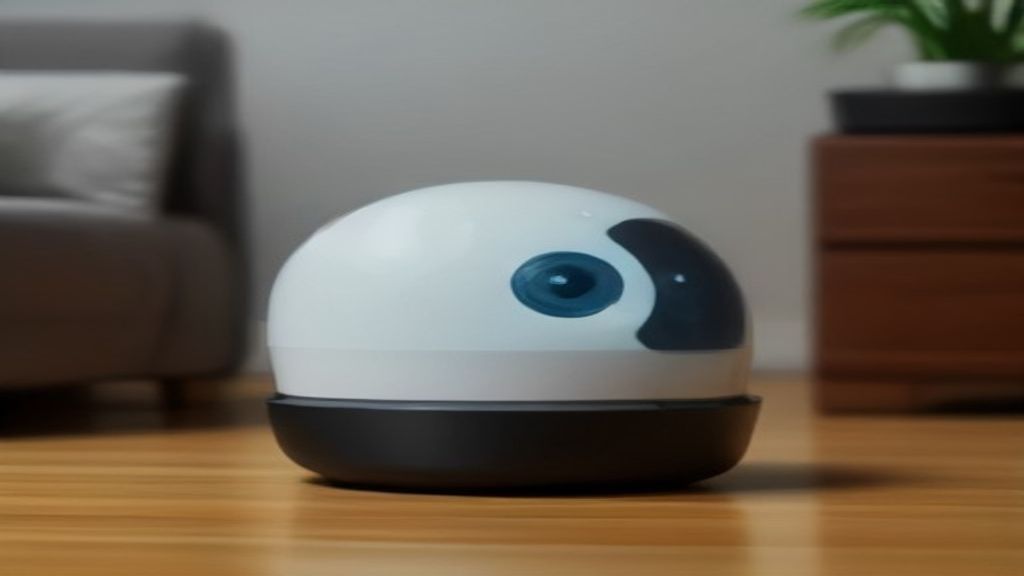
Beyond Smart Speakers: Designing the Hardware and Philosophy of Next-Gen AI Companion Robots

Published: August 31, 2026


Beyond Smart Speakers: Designing the Hardware and Philosophy of Next-Gen AI Companion Robots

In the late 2010s, the consumer electronics market witnessed the arrival of the first modern companion robots. These devices charmed early adopters with expressive movements, speech synthesis, and basic interactive behaviors. However, once the novelty of voice-triggered jokes wore off, many of these systems suffered from a fundamental design flaw: they were reactive, cloud-dependent appliances with limited utility. When their parent companies folded and turned off remote servers, these expensive units became bricked hardware, leaving owners with a sense of loss akin to losing a pet.

Today, the robotics industry is undergoing a structural paradigm shift. We are moving away from gimmicky, high-frequency assistants toward what is known as “gentle intelligence.” This philosophy prioritizes continuous, ambient presence over transactional utility. For embedded developers and robotics engineers, this transition presents a fascinating set of hardware and software challenges: building systems that are contextually aware, capable of long-term behavioral adaptation, and completely secure at the edge.

Beyond the Toy Shelf: How Edge AI and "Gentle Intelligence" are Redefining Companion Robotics

Published: August 30, 2026


Beyond the Toy Shelf: How Edge AI and

Back in the late 2010s, the tech world witnessed the first major wave of consumer companion robots. Armed with rudimentary speech recognition, cute faces, and basic mobile bases, these machines promised to bring the future of sci-fi into our living rooms. Yet, for many early adopters, the magic quickly faded. Once the novelty of simple voice commands wore off, these devices often ended up gathering dust on shelves. Worse still, when several pioneering robotics startups folded, they took their cloud servers down with them, rendering expensive hardware completely non-functional overnight. For users who had begun to bond with these machines, it felt less like a server outage and more like losing a household pet.

Today, a quiet revolution is taking place in human-robot interaction (HRI). The industry is moving away from hyper-reactive, cloud-dependent voice assistants toward what pioneers call "gentle intelligence." Instead of waiting passively for a wake word or trying to mimic human anatomy with uncanny realism, modern companion robots are designed to establish a continuous, unobtrusive background presence. They do not just execute commands; they adapt to the daily rhythms of a home. This shift requires a massive overhaul of the underlying embedded hardware, sensory systems, and edge-processing architectures.

Reinventing Electromechanical TV: Build a Portable Nipkow Drum Display with Raspberry Pi Pico

Published: August 29, 2026


Reinventing Electromechanical TV: Build a Portable Nipkow Drum Display with Raspberry Pi Pico

While modern display technologies focus on pushing the boundaries of high-refresh-rate OLEDs and micro-LED panels, there is a distinct, nostalgic charm in looking backward to the absolute origins of video transmission. Long before cathode-ray tubes (CRTs) dominated living rooms, the earliest television systems were purely electromechanical. Today's makers and embedded engineers are breathing new life into these century-old visual concepts, upgrading them with modern microcontrollers, 3D printing...

Related Posts Plugin for WordPress, Blogger...